
Mega-Ship vs Small Ship Cruising: Which Is Right for You in 2026?
⚓ The Great Debate: Mega-Ship or Small Ship?
Choosing between a mega-ship and a small ship is one of the most important decisions you’ll make when planning your 2026 cruise vacation. It’s not just about size — it’s about the entire experience. Do you crave non-stop entertainment, dozens of dining options, and the thrill of being aboard a floating city? Or do you long for intimate surroundings, personalized service, and access to hidden ports that larger vessels can’t reach?
We’ve sailed on both, and we’re here to break down everything you need to know. By the end of this guide, you’ll know exactly which style of cruising suits your travel personality. Let’s set sail into the details!
🚢 What Exactly Is a Mega-Ship?
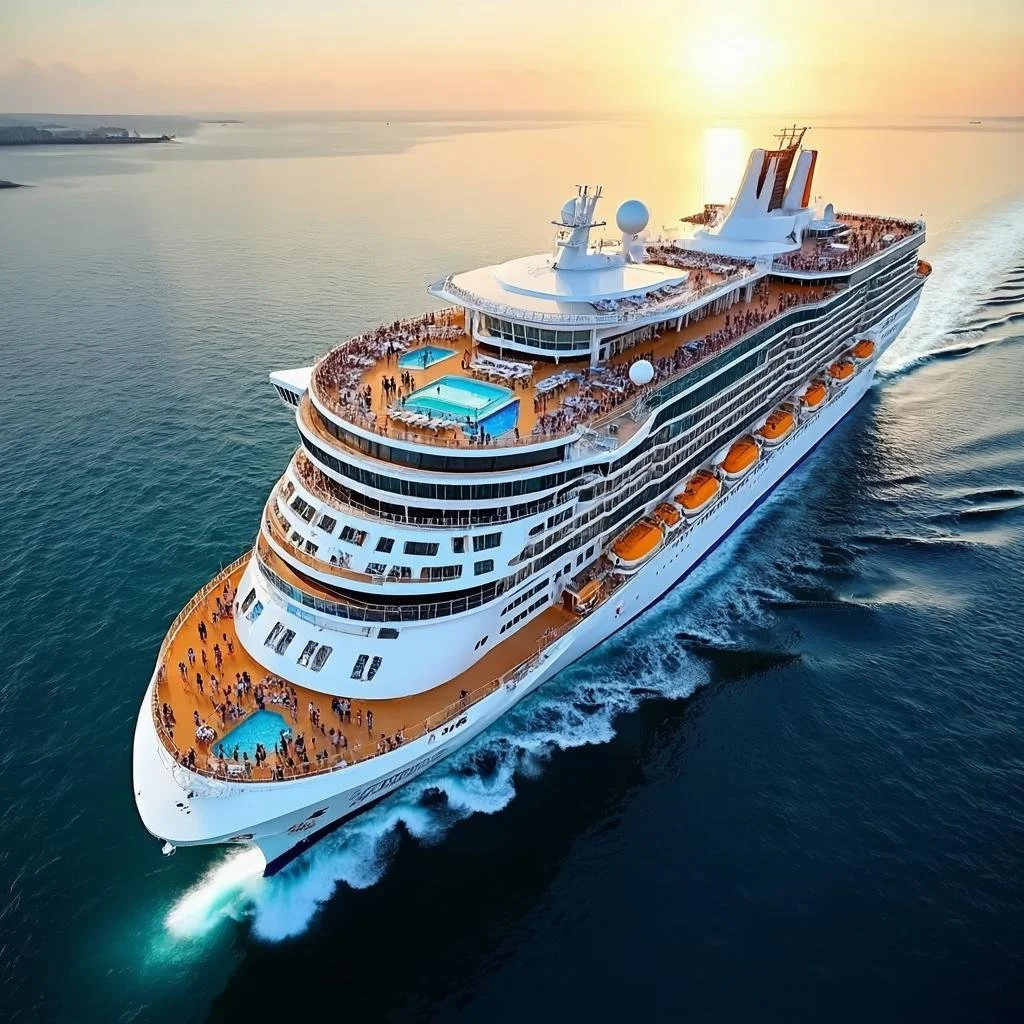
Mega-ships are the floating resorts of the cruise world — vessels carrying 4,000 to 7,600+ passengers. Think Royal Caribbean’s Wonder of the Seas, Carnival’s Carnival Celebration, or Norwegian Cruise Line’s Norwegian Prima. These ships are destinations in themselves, packed with features that rival major theme parks and luxury resorts.
What Makes Mega-Ships Special
The sheer variety on a mega-ship is staggering. You’ll find Broadway-caliber shows, water parks with towering slides, surf simulators, zip lines, escape rooms, virtual reality arcades, and multiple pools. Dining options range from complimentary buffets and main dining rooms to specialty restaurants serving everything from Japanese teppanyaki to Italian fine dining.
For families, mega-ships are a dream come true. Kids’ clubs are divided by age group, teens have their own dedicated spaces, and there’s always something happening. Adults-only retreats, casinos, spas, and nightclubs ensure that parents get their vacation time too. The entertainment never stops — literally. On a mega-ship, you could do something different every hour for a week and still not experience everything.
Accommodation options are equally diverse. From affordable inside cabins to sprawling Royal Loft Suites with two floors, there’s a stateroom for every budget. Many mega-ships now feature innovative cabin designs like virtual balconies (real-time camera views for inside rooms) and family-friendly connecting suites.
⛵ What Exactly Is a Small Ship?
Small ships typically carry 100 to 1,000 passengers and include luxury lines like Viking, Silversea, Seabourn, and expedition operators such as Ponant and Hurtigruten. These vessels prioritize comfort, personalized service, and unique itineraries over sheer scale.

The Charm of Small Ship Cruising
Step aboard a small ship and you’ll immediately feel the difference. The atmosphere is refined and unhurried. Crew members learn your name by day two. The dining is typically all-inclusive with open seating — no assigned tables, no reservation hassles. Many small ships feature single-seating dining where you can sit with different people each night, making it easy to meet fellow travelers.
But the real magic of small ships lies in where they can take you. While mega-ships are limited to major commercial ports with deep water and large dock facilities, small ships can navigate narrow fjords, tuck into tiny harbors, and anchor off secluded islands that feel genuinely undiscovered. Imagine waking up in a pristine Norwegian fjord with snow-capped mountains on every side, or stepping off a tender onto a white-sand beach in the Greek islands that no mega-ship could ever access.
Expedition cruising has exploded in popularity for 2026, with ships carrying Zodiac landing craft, onboard naturalists, and expert-led excursions. Whether it’s penguin colonies in Antarctica, volcanic landscapes in Iceland, or cultural encounters in remote Pacific islands, small expedition ships deliver experiences that simply aren’t possible on larger vessels.
💰 Cost Comparison: Where Does Your Money Go?
This is where things get interesting. The upfront price tells only part of the story.
Mega-ships often have lower base fares — sometimes remarkably low, especially on repositioning cruises or shoulder-season sailings. However, the extras add up fast. Specialty dining, alcoholic beverages, shore excursions, Wi-Fi, spa treatments, and gratuities can easily double your total spend. A $799 per person cruise can quickly become $2,500+ once you factor in everything.
Small ships typically come with higher upfront prices, but they’re far more inclusive. Most luxury small ships include dining in all restaurants, premium beverages, Wi-Fi, gratuities, and even shore excursions in the fare. That $5,000 per person voyage might actually cost less than a mega-ship once you account for what’s included. Plus, there are fewer hidden charges and less nickel-and-diming throughout your voyage.
For budget-conscious travelers, Trip.com’s shore excursions can help you save on activities at port, regardless of which ship you choose.
🗺️ Itinerary Differences: Big Ports vs Hidden Gems
The itineraries are fundamentally different, and this alone might make your decision for you.
Mega-ship itineraries focus on popular, proven destinations — Cozumel, Nassau, St. Thomas, Barcelona, Civitavecchia. These ports are well-developed with tourist infrastructure, but they can also be crowded. When a mega-ship docks, sometimes two or three others are alongside, meaning you’re sharing the port with 15,000+ other cruise passengers.
Small ship itineraries explore the roads less traveled. Instead of Nassau, you might visit the out islands of the Bahamas. Instead of Barcelona, you could stop at a tiny Catalan fishing village. River cruises through Europe’s heartland, coastal voyages along Croatia’s Dalmatian coast, and expedition sailings to Svalbard or the Galápagos are exclusively small-ship territory.
If you’re the type of traveler who wants to check off famous landmarks and enjoy vibrant port cities, mega-ships deliver. If you crave authentic, uncrowded experiences and don’t mind trading the big-name ports for hidden treasures, small ships are calling your name.
🍽️ Dining and Onboard Experience
The dining divide is significant and worth understanding before you book.
On mega-ships, the culinary scene is vast and varied. You might have 15+ dining venues including a steakhouse, sushi bar, French bistro, Italian trattoria, Guy’s Burger Joint, and a food court. The quality ranges from solid comfort food to genuinely excellent specialty restaurants. Main dining room food is complimentary and generally good, while specialty restaurants carry a cover charge of $25–$75 per person.
Small ships typically offer fewer but more refined dining options. You might have 2–4 restaurants, but each one delivers a thoughtfully curated experience. Menus change daily, ingredients are locally sourced when possible, and the wine list is carefully selected to complement the cuisine. There’s usually no extra charge for any restaurant, and the quality is consistently high across all venues.
For a deeper dive into onboard dining, check out our guide to 8 Must-Try Dining Experiences on Modern Cruise Ships in 2026.
👨👩👧👦 Who Should Choose What?
Choose a mega-ship if:
- You’re traveling with kids or teenagers — the activities and facilities are unmatched
- You want maximum bang for your buck and don’t mind paying for extras
- You love big production shows, water slides, and action-packed days
- You want lots of dining variety and the freedom to choose different cuisines nightly
- You enjoy a lively, social atmosphere with thousands of fellow passengers
- You’re celebrating a special occasion and want over-the-top experiences
Choose a small ship if:
- You value personalized service and an intimate atmosphere
- You prefer all-inclusive pricing without constant upselling
- You want to visit off-the-beaten-path destinations and less crowded ports
- You enjoy fine dining without extra charges
- You’re an experienced cruiser looking for something different
- You appreciate cultural enrichment, expert lectures, and destination-focused travel
📋 Our Verdict: It Depends on the Voyage
Honestly, there’s no wrong answer — only the right answer for you and this specific trip. We’ve had incredible voyages on mega-ships (that zip line on Harmony of the Seas? Unforgettable!) and equally magical ones on small vessels (sailing into a Norwegian fjord at dawn on a 200-passenger ship changed our perspective entirely).
Our advice? Try both at least once. Use your first cruise to figure out your style, and don’t be afraid to mix it up. Many experienced cruisers alternate between mega-ships for family vacations and small ships for romantic getaways or milestone celebrations.
Ready to book your 2026 cruise adventure? Find pre-cruise hotels on Trip.com to extend your vacation before or after sailing, and check out affordable flights to popular departure ports like Miami, Barcelona, and Southampton.
If you’re still deciding on the right cabin type for either option, our Balcony vs Inside Cabin comparison will help you make the perfect stateroom choice for your budget and preferences.
Wherever you choose to set sail in 2026, the most important thing is that you go. The ocean is calling, and the adventure of a lifetime is waiting on the other side of the gangway. ⚓


