

Navigating Change: How Fred. Olsen Adapted Its South America Grand Voyage Due to Severe Weather
🚢 How Cruise Lines Handle Severe Weather: Fred. Olsen’s Grand Voyage Adaptation
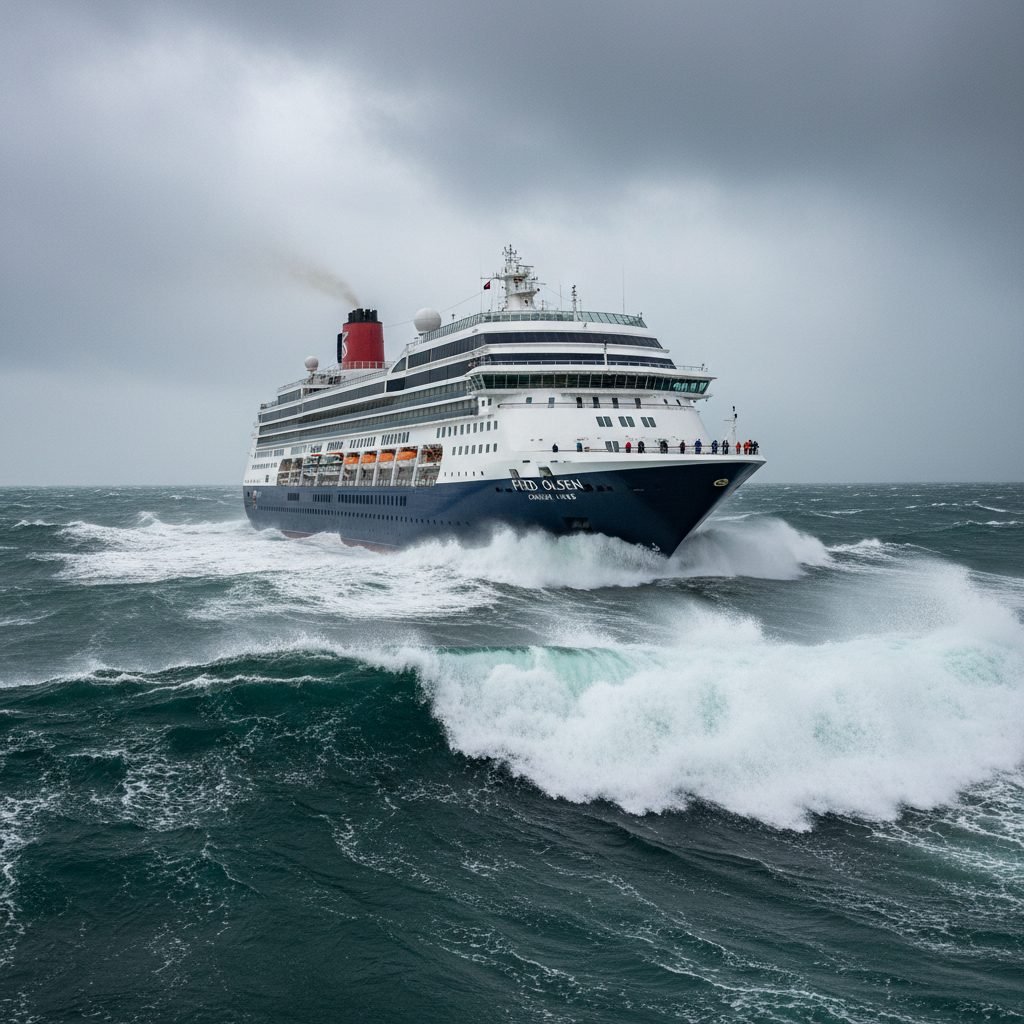
Flexibility is a crucial element of successful cruising, especially when it comes to long voyages that cover vast stretches of ocean. During our recent investigations into upcoming Grand Voyages, we’ve discovered an interesting development with Fred. Olsen Cruise Lines’ much-anticipated South America and Antarctica expedition. The 76-night journey aboard the elegant Borealis, scheduled to depart from Southampton on January 28, 2026, has undergone itinerary modifications due to challenging weather conditions in the Bay of Biscay. This adaptation offers fascinating insights into how cruise lines manage weather-related disruptions while maintaining the integrity of their promised experiences.
🌊 Why Weather Adjustments Matter for Your Cruise Experience
When booking a lengthy cruise such as Fred. Olsen’s Grand Voyage to South America and Antarctica, understanding how weather might impact your journey becomes particularly important. The Bay of Biscay, situated between France’s west coast and Spain’s northern shores, is notorious among experienced cruisers for its challenging conditions, especially during winter months. This stretch of the Atlantic Ocean frequently experiences powerful storms and significant wave heights that can make navigation difficult even for large cruise vessels.
Our investigation into Fred. Olsen’s itinerary adjustment reveals several critical insights that can benefit any cruiser considering a voyage that traverses potentially challenging waters:
- Passenger Safety Prioritization: Fred. Olsen’s decision to adjust the Borealis itinerary demonstrates the company’s commitment to passenger safety and comfort above rigid schedule adherence. While guests boarded as planned on January 28, the cruise line implemented strategic changes to avoid unnecessarily rough sailing conditions.
- Operational Flexibility: The ability to adapt quickly to changing weather patterns showcases the operational flexibility that experienced cruise lines maintain. This responsiveness is particularly valuable for passengers, as it ensures that while routes may change, the overall experience remains positive.
- Transparent Communication: Based on our findings, Fred. Olsen provided clear communication with passengers about the necessary changes, allowing them to prepare accordingly. This transparency is a hallmark of reputable cruise operations.
- Experience Preservation: Despite the route adjustments, the cruise line has worked to preserve the core South American and Antarctic experiences that passengers booked, ensuring that the primary destinations remain accessible, albeit with modified timing.
Understanding these aspects of cruise operations can significantly enhance your preparation for any ocean voyage, particularly extended journeys that cover multiple climate zones and potentially challenging waters.
Planning your own South American cruise adventure? Browse available cruise options on Trip.com to find voyages that match your interests and comfort preferences.
⚓ How to Prepare for Potential Itinerary Changes on Your Cruise
Experienced cruisers understand that flexibility is essential when embarking on ocean voyages, particularly extended journeys like Fred. Olsen’s 76-night Grand Voyage. Based on our analysis of this situation and other similar itinerary adaptations, we’ve compiled practical steps to help you prepare for potential changes on your next cruise adventure:
- Purchase comprehensive travel insurance: Select a policy that specifically covers itinerary changes, delays, and disruptions. Look for options that provide compensation for missed ports or significant alterations to your planned journey. The peace of mind this provides is well worth the investment, especially for expensive or once-in-a-lifetime voyages like Antarctic expeditions.
- Buffer your travel dates: When booking flights and pre/post-cruise accommodations, always allow buffer days to accommodate potential schedule adjustments. For extended voyages like Fred. Olsen’s South America cruise, consider adding 2-3 days on either end of your journey to prevent disruptions to your broader travel plans.
- Research alternative ports: Before departure, familiarize yourself with potential alternative ports that cruise lines typically substitute when weather affects primary destinations. This preparation allows you to quickly adapt your shore excursion plans if necessary.
- Pack for variable conditions: Weather-related itinerary changes often mean encountering different climate conditions than originally expected. Pack versatile clothing layers and gear that can adapt to both warmer and cooler temperatures than your planned route might suggest.
- Maintain flexible expectations: Approach your cruise with an adventurous mindset, understanding that adaptability enhances enjoyment. Some of the most memorable travel experiences come from unexpected itinerary changes that introduce you to unplanned destinations.
- Stay informed about weather patterns: In the weeks leading up to your cruise, monitor weather forecasts for your intended route. Apps like Weather Underground or Windy provide marine forecasts that can give you early indications of potential disruptions.
- Establish communication channels: Ensure you have provided the cruise line with current contact information and have downloaded their app if available. This facilitates receiving timely updates about any pre-departure itinerary adjustments.
By implementing these preparations, you’ll position yourself to handle itinerary changes with minimal disruption to your overall enjoyment, much like the passengers aboard Fred. Olsen’s Borealis who were able to begin their South American adventure despite the Bay of Biscay’s challenging conditions.

Searching for accommodations before or after your cruise? Explore hotels on Trip.com that offer flexible cancellation policies, perfect for cruise travelers who may experience schedule adjustments.
🌎 Understanding the South America and Antarctica Grand Voyage Experience
Fred. Olsen’s 76-night Grand Voyage aboard the Borealis represents one of the most comprehensive South American cruise experiences available in 2026. Despite the initial itinerary adjustments due to Bay of Biscay conditions, this voyage offers extraordinary value for adventurous travelers. The journey encompasses several distinct regions, each offering unique attractions and experiences:
- Brazilian Coastal Exploration: The itinerary includes stops at vibrant Brazilian ports including Rio de Janeiro, with its iconic Christ the Redeemer statue and Copacabana Beach, and Salvador de Bahia, known for its colorful Afro-Brazilian culture and colonial architecture.
- Argentinian Adventures: Buenos Aires features prominently, offering passengers opportunities to experience authentic tango performances, exceptional steakhouses, and European-inspired architecture. Further south, the voyage includes Ushuaia, famously known as “the end of the world” and the gateway to Antarctica.
- Chilean Fjords: The cruise navigates through Chile’s spectacular fjord region, featuring pristine waterways flanked by towering mountains, cascading waterfalls, and abundant wildlife including dolphins and sea lions.
- Antarctic Peninsula: The true highlight for many passengers, this portion of the journey ventures into Antarctic waters, offering opportunities to witness breathtaking ice formations, penguin colonies, and the unspoiled wilderness of the white continent.
- Falkland Islands: This remote archipelago provides opportunities to encounter multiple penguin species, including kings, gentoos, and rockhoppers, in their natural habitat, along with unique British outpost culture.
For travelers considering this or similar grand voyages, it’s worth noting that Fred. Olsen’s Borealis is ideally suited for such extended journeys. With a passenger capacity of approximately 1,360, the ship maintains an intimate atmosphere while offering diverse amenities including multiple dining venues, comfortable public spaces, and enrichment programs that enhance the destination experience through expert lectures and workshops.
The vessel’s ice-strengthened hull is particularly valuable for Antarctic segments, providing added safety when navigating southern waters. While itinerary adjustments were necessary at the voyage’s beginning due to Bay of Biscay conditions, these features ensure the ship remains well-equipped to deliver the core South American and Antarctic experiences that make this journey so sought after.
Interested in exploring South American destinations through exciting shore excursions? Discover engaging tours and activities on Trip.com that can enhance your South American cruise experience.
🧭 Alternative Routes: How Cruise Lines Navigate Weather Challenges
Our research into Fred. Olsen’s Grand Voyage adjustments has revealed fascinating insights into how experienced cruise lines develop alternative routing strategies when faced with challenging weather conditions. These approaches not only ensure passenger safety but often introduce unexpected highlights that enrich the overall journey.
When confronting situations like the severe weather in the Bay of Biscay that affected the Borealis itinerary, cruise lines typically implement several sophisticated navigation strategies:
- Coastal Hugging: Rather than crossing directly through notoriously rough waters like the Bay of Biscay, ships may follow coastlines more closely where wave heights are typically reduced and shelter from prevailing winds is more accessible. This approach often introduces passengers to scenic coastal views they might otherwise have missed.
- Port Order Rearrangement: Cruise lines frequently adjust the sequence of port visits to avoid arriving at certain locations during predicted weather events. This maintains the overall destination experience while optimizing for comfort.
- Extended Port Stays: When open-water conditions are particularly challenging, extending time in safe harbors allows storms to dissipate before continuing. This often benefits passengers with deeper destination immersion than originally planned.
- Alternative Port Substitution: In cases where planned ports cannot be safely accessed, cruise lines maintain relationships with alternative destinations that can accommodate vessels on short notice. These substitutions are carefully selected to preserve the thematic experience of the voyage.
- Speed Adjustments: Modifying vessel speed is a common tactic to either outrun approaching weather systems or delay arrival until conditions improve. Modern weather tracking allows captains to make these decisions with remarkable precision.
For the Borealis Grand Voyage, our understanding is that passengers were able to board as scheduled on January 28, with the ship likely implementing a combination of these strategies to navigate around the challenging Bay of Biscay conditions while maintaining the core South American and Antarctic experiences.
This operational flexibility represents one of the cruise industry’s greatest strengths. Unlike fixed itinerary land tours, cruise ships can literally change course as conditions demand, often with minimal disruption to the overall passenger experience. For travelers booking extended voyages like Fred. Olsen’s 76-night Grand Journey, this adaptability provides valuable reassurance that their vacation investment remains protected even when nature presents challenges.
Need transportation to your cruise port? Book reliable airport transfers through Trip.com to ensure you arrive at your departure port with plenty of time to spare.
📌 Key Takeaways on Cruise Itinerary Flexibility
- Weather adaptability is built into cruise operations: Fred. Olsen’s adjustment to the Borealis Grand Voyage demonstrates how reputable cruise lines incorporate flexibility into their planning to ensure passenger safety and comfort without compromising the core experience.
- Communication matters: Transparent updates about necessary itinerary changes help passengers adjust their expectations and preparations appropriately.
- Travel insurance is essential: Comprehensive coverage specifically designed for cruises provides financial protection against significant itinerary disruptions.
- Flexibility enhances enjoyment: Approaching your cruise with an adaptable mindset allows you to appreciate unexpected experiences that often result from route changes.
- Extended voyages require extra preparation: For grand journeys like the 76-night South America and Antarctica expedition, thorough preparation for potential changes becomes especially valuable.
- Professional navigation expertise adds value: The ability of experienced captains and cruise directors to adapt to changing conditions while maintaining passenger satisfaction represents a significant benefit of choosing established cruise lines like Fred. Olsen.
The situation with Fred. Olsen’s Borealis Grand Voyage serves as an excellent reminder that when it comes to ocean travel, embracing flexibility often leads to the most rewarding experiences. While passengers undoubtedly boarded with certain expectations about their journey through South America and Antarctica, the cruise line’s professional handling of weather-related challenges demonstrates why experienced travelers often prefer sea voyages for their ability to adapt while maintaining the integrity of the promised adventure.
For those considering booking similar grand voyages in the future, this example highlights the importance of selecting cruise lines with proven track records of skilled navigation and customer care, particularly when venturing to remote destinations like Antarctica where conditions can be unpredictable.
Whether you’re planning a grand voyage or a shorter cruise experience, remember that the ocean itself has always been an active participant in every seafaring journey. By approaching your cruise with informed expectations about potential adjustments, you’ll be well-positioned to enjoy the remarkable experiences that only ocean travel can provide – sometimes precisely because of the changes that weather and sea conditions necessitate.


